
Polygraph & Lie Detector Testing in Raleigh, NC
Lie Detector Testing Near Me Raleigh, NC by an Experienced Examiner
Kimbrough Consulting provides professional polygraph and lie detector testing for Raleigh, Cary, and communities throughout the Research Triangle. Our Cary testing location offers convenient access for clients seeking confidential examinations involving relationship concerns, private matters, legal cases, employment screening, PCSOT requirements, and other credibility issues.
Same week appointments available in Raleigh
Private and confidential testing
Trusted by attorneys, courts, and individuals
Call now to schedule your polygraph test in Raleigh, NC.
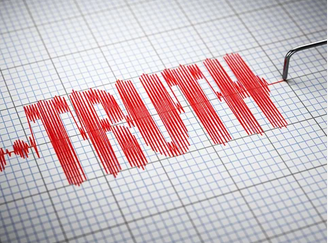
Professional Lie Detector Test Raleigh, NC
When doubt is keeping you awake at night, and you need real answers, waiting only makes it harder. Kimbrough Consulting provides accurate, discreet, and professionally conducted polygraph examinations for individuals, attorneys, employers, and treatment providers throughout Raleigh and Wake County.
Our Raleigh polygraph testing location is convenient for clients from Apex, Morrisville, Holly Springs, Fuquay-Varina, Garner, Knightdale, Wake Forest, Durham, Chapel Hill, Clayton, Sanford, Smithfield, and surrounding Triangle communities. Clients turn to Kimbrough Consulting when the matter is urgent, trust has been broken, legal decisions are approaching, or probation, employment, or compliance deadlines cannot be missed.
Whether the concern involves relationship infidelity, pre-employment truth verification, PCSOT requirements, immigration matters, or court-related issues, we understand the emotional weight behind your decision and provide a structured path toward clarity.
If you are searching for a lie detector test near me or a polygraph examiner in Raleigh, NC, the most important step is reaching out now. Same day or priority scheduling may be available depending on demand. Contact Kimbrough Consulting today for a confidential consultation and a customized quote, because the longer uncertainty continues, the more difficult moving forward becomes.
Schedule Your Confidential Lie Detector Test Raleigh, North Carolina
Kimbrough Consulting, LLC | Raleigh, NC
2500 Regency Pkwy
Cary, NC 27518
Email: Kevin@Kimbroughpolygraph.com
Certified Local Polygraph Examiner in the Research Triangle
Confidential, Licensed, and Accurate Lie Detector Testing. Lie Detection, Polygraph Exams, and Truth Verification Services.
Get a Free Consultation or Pricing Today!
Why Choose Kimbrough Consulting for a Polygraph Test in Raleigh, NC
When you are dealing with serious personal, legal, or relationship concerns, the experience of your polygraph examiner matters. The accuracy of a polygraph test depends heavily on the examiner’s background, training, and ability to conduct a structured and professional examination.
Why Raleigh clients choose Kimbrough Consulting over other polygraph providers is that Kevin Kimbrough brings over 27 years of law enforcement and investigative experience. He spent nearly two decades with the North Carolina State Bureau of Investigation, where he worked on complex and high-stakes cases, including homicide investigations, kidnapping cases, child sexual exploitation investigations, interviewing victims, witnesses, and suspects, and much more.
This real world investigative background provides a level of insight and professionalism that goes far beyond standard polygraph testing.
When you schedule a polygraph test in Raleigh, NC, with Kimbrough Consulting, you are working with an examiner who understands how credibility, truth verification, and investigative detail impact real outcomes.
Types of Polygraph Tests Offered in Raleigh, NC
We customize every exam to the specific question(s) at hand. Common types of tests we conduct include:
Relationship & infidelity testing. When trust breaks down in a marriage or partnership, an impartial test can bring clarity. We work with couples who want to address suspicions about infidelity or other sensitive issues.
Post‑Conviction Sex Offender Testing (PCSOT). Courts and probation officers require ongoing testing to verify compliance and monitor treatment progress. PCSOT polygraphs help ensure offenders follow conditions and detect hidden behaviors. Regular exams also deter misconduct and provide peace of mind to the community.
Pre‑employment screening. Government agencies and law enforcement departments administer Law Enforcement Pre‑Employment Polygraph Screening (LEPET) to validate applicants’ honesty and suitability. LEPET involves testing candidates on prior misconduct, criminal history, and ethical standards. For sensitive positions, agencies use these tests to uncover any hidden risks.
Immigration & asylum polygraphs. Applicants may undergo polygraph testing to support petitions and asylum claims. These exams are tailored to the specific facts alleged in each case and often require specialized reporting.
Criminal and civil case support. Lawyers use polygraph testing to evaluate client credibility, assess witness statements, guide plea discussions, and support negotiation strategies. While results are rarely admitted as evidence in North Carolina courts, they can be valuable investigative tools.
Private and personal matters. Individuals sometimes need to verify statements for family disputes, business disagreements, or personal peace of mind. We design each test to address the exact concern without venturing into irrelevant areas.
No matter the context, each exam is built around your specific question(s) rather than a one size fits all script. We take time to ensure every question is clear, relevant, and answerable. Every polygraph test in Raleigh, NC, is tailored to the specific situation, whether it involves infidelity, legal matters, or personal concerns requiring a professional lie detector test in Raleigh, NC.
Understanding Polygraph Accuracy And Reliability
Polygraph testing often sparks debate, with some people believing it is nearly infallible and others dismissing it entirely. The truth lies between those extremes. According to the American Polygraph Association, properly conducted polygraph exams using validated techniques generally achieve accuracy rates exceeding 90%. The difference between high and low accuracy usually comes down to approach and methodology.
How Polygraphs Work
A polygraph measures physiological responses—such as heart rate, blood pressure, breathing patterns, and skin conductivity—to determine whether an examinee’s responses are consistent with truthfulness. Examiners establish baseline readings and then look for meaningful shifts when relevant questions are asked. To improve reliability, professional examiners:
Take a multi‑pronged approach to analysis. They compare responses across multiple physiological channels and look for consistent patterns.
Follow validated formats. Structured techniques—such as the control question test—help differentiate truthful and deceptive reactions.
Use professional administration. Accredited examiners are trained to operate the instrument correctly, design clear questions, and interpret data accurately.
Factors That Can Affect Accuracy
Several issues can undermine the reliability of a polygraph examination:
Medical or psychological conditions. Illness or medications can impair a person’s ability to understand questions, increasing the risk of false positives. Examinees should disclose medical issues in advance so the examiner can postpone or adjust the test.
Incompetent examiners. Poorly trained examiners may fail to prepare adequately, formulate ambiguous questions, or misinterpret results. Working with a licensed, experienced examiner helps prevent these errors.
Intentional countermeasures. Some examinees attempt to manipulate results through drugs or physical techniques, but trained examiners are adept at detecting and mitigating these countermeasures.
Question design. Questions that are unclear, compound, or outside the examinee’s knowledge can produce unreliable responses. Good testing requires specific, time‑bound questions.
Because of these variables, accuracy is never 100 %. Polygraph results should be interpreted carefully and, when used in legal settings, serve as one tool among many.
Legal Use Of Polygraphs In North Carolina
One of the most common questions we receive is whether polygraph results are admissible in court. In North Carolina, polygraph evidence is generally inadmissible in both criminal and civil trials. Courts have held that polygraph results alone do not meet the evidentiary standards for admission. However, there are narrow exceptions:
Stipulation by the parties. If both sides agree in advance, in writing, a judge may allow polygraph results for a specific purpose. Even then, the court can exclude the evidence if reliability concerns arise.
Investigative and strategic use. Lawyers often use polygraph tests to assess credibility, evaluate witness statements, or guide plea discussions. Results may influence negotiations even if they are never presented at trial.
The North Carolina Supreme Court has ruled polygraph results too unreliable for general admission, and federal courts in the Fourth Circuit have similar reservations. Therefore, while a polygraph can be a powerful investigative tool, clients should consult their attorney about how results may (or may not) be used in their case.
How Long Does a Polygraph Test Take?
A reliable polygraph examination is not a quick procedure. Industry standards and best practices call for a test length of 1.5 to 2.5 hours. A polygraph test in Raleigh, NC includes:
Pre‑test phase (60–90 minutes). The examiner collects background information, explains the process, ensures you are fit for testing, and designs clear questions.
In‑test phase (30–60 minutes). Sensors are attached, and the examiner asks relevant, control, and irrelevant questions while monitoring physiological responses.
Post‑test phase (25–45 minutes). The examiner analyzes the data, compares responses, and prepares a report.
Tests may run longer if multiple issues are addressed or if an interpreter is needed. Single issue exams tend to be shorter and are often considered the most accurate. This structured process ensures fairness, accuracy, and reliability.
How Much Does A Polygraph Test Cost Raleigh?
Polygraph pricing is influenced by test type, question complexity, and case requirements. Most private polygraph examinations cost between $500 and $1,500+ per person, with a national average of around $800. Here’s what to expect:
Infidelity & relationship exams: $500–$1,500+ per person. Multiple concerns may require additional time.
Private or personal matters: $500–$1,500+ per person. Family disputes or multi‑issue cases can lengthen preparation.
Pre‑employment screenings: $400–$500 per person. These exams are usually standardized.
PCSOT exams: $350-$800 per person. Pricing depends on supervision protocols and reporting requirements.
Immigration & asylum cases: $800-$1,200 per person. These exams involve document review and specialized reporting.
Several factors influence the final price:
Examiner qualifications: Professionals with extensive training and multi‑state licensing may charge more but provide more reliable, defensible results.
Location & travel: Fees in metropolitan areas can be higher, and travel to remote sites may add mileage or lodging costs.
Test complexity: Single‑issue exams are typically less costly than multi‑issue or legal‑focused tests.
Reporting requirements: Written reports or court‑related services increase the fee.
The cost of a polygraph test in Raleigh, NC, depends on the complexity of the case, but most lie detector tests in Raleigh, NC, fall within a standard pricing range that is discussed during your consultation. Booking early often reduces wait time and lets you plan.
What Goes Into The Price Of A Lie Detector Test In Raleigh, NC
The fee covers far more than simply attaching sensors. It includes the examiner’s preparation time, indepth pre‑test interview, careful question design, the actual test, and a detailed analysis of the results. Factors that influence pricing include:
Examiner qualifications and experience. Licensed examiners with formal training and extensive case experience may charge more but provide more reliable results.
Location and travel. Fees may be higher in large metro areas or when the examiner travels.
Test complexity. Single‑issue exams cost less than multi‑issue or high‑stakes legal tests.
Reporting requirements. Some clients only need a verbal explanation; others require written reports or potential court testimony, which adds to the cost.
Be cautious of free or very cheap polygraph offers. Professional polygraph testing requires quality equipment, specialized software, and ongoing training. Cut‑rate providers may lack proper credentials, skip important steps, or use outdated equipment, which undermines the results.
Preparing For Your Polygraph Test In Raleigh, NC: Tips For Success
Proper preparation helps ensure accurate results and reduces anxiety. Experts recommend the following:
Get plenty of rest in the days leading up to your test.
Eat a normal diet to maintain stable blood sugar.
Stay hydrated and drink plenty of fluids.
Wear comfortable clothing and bring layers if you tend to get cold.
Take prescribed medications as normal and disclose them to the examiner.
Verify your language fluency so you understand every question.
Avoid countermeasures such as anti‑anxiety drugs or deliberate attempts to manipulate results.
On the day of the test, arrive on time, be honest, and answer each question clearly. Nervousness is normal, and it does not cause you to “fail.” The examiner will help you relax and explain each step before proceeding.
Frequently Asked Questions– Polygraph Test Raleigh, NC
Many people searching for a polygraph test near me in Raleigh, NC, have questions about the process, accuracy, and scheduling. Below are answers to the most common questions about lie detector tests in Raleigh, NC.
How long does the entire process take?
Most polygraph tests last 1.5–2.5 hours, including the pre‑test interview, examination, and post‑test review.
What kinds of questions are asked?
Examiners use three types of questions: relevant (addressing the specific issue), control (to elicit a reaction for comparison), and irrelevant (to help you relax).
Can nervousness affect my results?
Everyone is nervous. Polygraph analysis looks for changes relative to your baseline; normal anxiety does not determine truthfulness. Clear, honest answers and cooperation help produce reliable results.
Are polygraph results admissible in court?
Generally no. In North Carolina, polygraph evidence is inadmissible in criminal and civil trials, with rare exceptions when both parties stipulate to its use.
Can a polygraph prove someone is innocent?
Polygraph results are an investigative tool, not absolute proof. They can support credibility assessments and negotiations, but should be considered alongside other evidence.
What if I’m taking medication?
Continue taking prescribed medications and inform the examiner about them. Certain medications or medical conditions may prompt rescheduling.
Do I need to bring anything?
Bring a government‑issued photo ID and any documentation your attorney requests. Dress comfortably and bring a layer in case the testing room is cool.
Can someone “beat” a polygraph?
Attempts to manipulate the exam using drugs or physical tricks are generally ineffective and may be detected by an experienced examiner.
How should I phrase my questions?
Questions must be specific, observable, and tied to a clear time frame. Vague or ambiguous questions cannot be tested effectively.
What’s the difference between single‑issue and multi‑issue tests?
Single‑issue exams focus on one clear question and are considered the most accurate. Multi‑issue tests cover multiple topics and may take longer.
Are polygraph tests safe?
Yes. The sensors measure natural physiological responses and do not deliver electricity or harm the body. Tests are non‑invasive.
Can I refuse to answer a question?
Yes. You should only answer questions you understand. If a question is unclear, the examiner will rephrase it.
What happens if I fail?
Polygraph results are not pass/fail like a school test. They show whether your responses were consistent with truthfulness. Your attorney can help interpret the results and decide the next steps.
Is polygraph testing legal for employment?
Federal law (the Employee Polygraph Protection Act) restricts polygraph use in private employment but exempts government and law‑enforcement agencies. Always check local laws before scheduling an exam.
Who sees my results?
Only the requesting party (you, your attorney, or the referring agency) receives the report. We do not share results with anyone else without your written consent.
How far in advance should I schedule?
We recommend contacting us as soon as possible. Popular time slots fill quickly, and booking reduces stress by giving you time to prepare.
Do you offer mobile testing?
In some situations, we can travel to a secure location, but conditions must meet professional testing standards. Additional fees may apply.
What forms of payment do you accept?
We accept major credit cards, certified checks, and cash. Full payment is generally due at the time of the appointment unless prior arrangements are made.
How soon will I get the results?
Preliminary results are usually available the same day. Written reports are typically ready within 24–48 hours.
Areas We Serve
Our Raleigh area office is located at 2500 Regency Parkway, Cary, NC 27518. We proudly serve clients throughout the Research Triangle, including Raleigh, Apex, Morrisville, Holly Springs, Fuquay-Varina, Garner, Knightdale, Wake Forest, Durham, Chapel Hill, Clayton, Sanford, Smithfield, and surrounding Triangle communities. When appropriate testing conditions can be arranged, we can accommodate appointments in neighboring towns.
Uncertainty can feel unbearable, but you don’t have to face it alone. At Kimbrough Consulting, you’ll work with a compassionate professional who listens without judgment and uses decades of experience to uncover the truth. We handle every case with care and confidentiality because we know how important the outcome is for you.
Schedule Your Lie Detector in Raleigh Today
When doubt takes over, waiting only makes it harder. Whether you need to restore trust, meet a legal requirement, or clear your name, a professional polygraph can give you the answers you’ve been searching for. Schedule your polygraph test in Raleigh, NC today, if you are searching for a polygraph test near me or a lie detector test in Raleigh, NC. Kimbrough Consulting provides the experience, professionalism, and discretion you need.
Take the first step toward clarity and peace of mind. Contact us today to schedule your private consultation or learn which test is right for you. Our services include relationship and infidelity polygraph testing, PCSOT examinations, pre-employment polygraphs for law enforcement and agencies, and immigration-related polygraph testing. Explore our credentials, review transparent pricing, or contact our office to schedule a private and confidential consultation.
Still have questions? You can find more info on our FAQ Page.